The Future of Portable Gaming After Cloud Streaming Technology
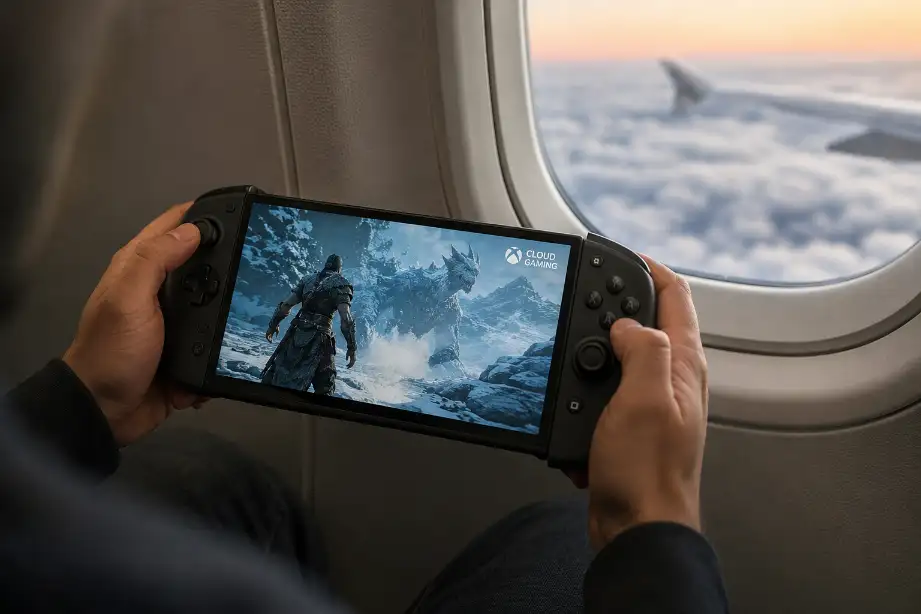
Portable gaming has changed dramatically over the last decade. Players no longer rely only on dedicated handheld consoles or powerful gaming PCs to enjoy their favorite titles. Smartphones, tablets, and handheld gaming devices now offer access to thousands of games from almost anywhere. Cloud streaming technology has pushed this shift even further by allowing players to stream games through the internet instead of storing large files on local hardware.
As internet speeds continue to improve and cloud infrastructure expands, portable gaming stands on the edge of a new era. Players can access high-quality games on lightweight devices without worrying about storage limits or expensive hardware upgrades. Many industry experts expect cloud gaming to influence how developers create games and how consumers play them. The future of portable gaming after cloud streaming technology looks exciting, offering greater flexibility, accessibility, and convenience for gamers worldwide.
The Future of Portable Gaming After Cloud Streaming Technology
Cloud streaming technology changes the way people experience portable gaming. Instead of depending on powerful processors inside handheld devices, gamers can stream demanding titles directly from remote servers.
This shift creates several opportunities for players, developers, and gaming companies.
Better Access to High-End Games
One of the biggest advantages of cloud streaming involves access to advanced games on smaller devices.
Players can:
- Play graphically demanding games on smartphones.
- Access console-quality experiences on tablets.
- Use lightweight handheld devices without sacrificing performance.
- Avoid downloading massive game files.
A gamer no longer needs expensive hardware to enjoy visually rich games. A stable internet connection often becomes the primary requirement.
Reduced Hardware Limitations
Traditional portable gaming devices face hardware restrictions. Manufacturers must balance performance, battery life, storage, and price.
Cloud streaming reduces these concerns because remote servers handle most processing tasks.
Benefits include:
- Longer device lifespan.
- Lower hardware costs.
- Smaller and lighter gaming devices.
- Fewer performance-related upgrades.
This model allows players to continue using existing devices while still enjoying modern games.
Instant Gaming Experiences
Cloud platforms remove lengthy downloads and installation processes.
Players can:
- Launch games quickly.
- Switch between titles with minimal waiting.
- Access saved progress across multiple devices.
- Start gaming immediately after subscribing.
This convenience appeals to gamers who value speed and flexibility.
Cross-Platform Gaming Growth
Cloud technology encourages greater compatibility across devices.
A player may begin a game on a smartphone during a commute and continue on a laptop or smart TV later.
Cross-platform gaming offers:
- Consistent game progress.
- Shared gaming communities.
- Expanded multiplayer opportunities.
- Better accessibility for casual and competitive players.
This approach creates a more connected gaming ecosystem.
Improved Game Libraries
Cloud gaming services often provide large collections of games through subscription models.
Players gain access to:
- New releases.
- Popular franchises.
- Independent games.
- Classic titles.
Instead of purchasing every game individually, users can enjoy a broader selection through a single subscription.
How Cloud Streaming Will Shape Portable Gaming Devices
The rise of cloud gaming influences the design and purpose of future portable gaming hardware.
Lighter and More Compact Devices
Manufacturers may focus on comfort and portability rather than raw processing power.
Future handheld devices could feature:
- Slimmer designs.
- Larger displays.
- Improved battery efficiency.
- Better cooling systems.
Since cloud servers perform demanding tasks, devices can become smaller without losing functionality.
Longer Battery Performance
High-performance gaming usually drains batteries quickly.
Cloud streaming shifts heavy processing away from the device, allowing batteries to last longer during gaming sessions.
Players can expect:
- Extended playtime.
- Reduced heat generation.
- Lower power consumption.
These improvements make portable gaming more practical for travel and daily use.
Enhanced Connectivity Features
Reliable internet access remains central to cloud gaming success.
Future devices may include:
- Advanced Wi-Fi technology.
- Faster mobile network support.
- Better network optimization tools.
- Automatic connection management.
These upgrades will help maintain smooth gameplay across different environments.
The Role of 5G and Future Networks
Internet infrastructure plays a major role in cloud gaming performance.
Faster Speeds and Lower Latency
Cloud gaming depends on quick communication between the player and remote servers.
Modern 5G networks offer:
- Faster data transmission.
- Lower input delay.
- More stable connections.
- Better support for multiplayer games.
As network technology advances, portable cloud gaming will become more responsive and reliable.
Expansion Into More Regions
Many areas currently lack access to high-speed internet.
Network providers continue expanding coverage, allowing more people to participate in cloud gaming.
Broader internet access could:
- Increase the number of gamers worldwide.
- Create larger online communities.
- Support new gaming markets.
- Encourage further investment in cloud services.
Challenges Facing Portable Cloud Gaming
Despite its potential, cloud gaming still faces several obstacles.
Internet Dependence
Cloud gaming requires a stable connection.
Common issues include:
- Network interruptions.
- Data limitations.
- Connection instability.
- Regional service gaps.
Players in areas with weaker internet infrastructure may experience difficulties.
Subscription Costs
Many cloud gaming platforms rely on monthly subscriptions.
While subscriptions can reduce hardware expenses, users may need multiple services to access specific games.
Consumers must evaluate:
- Subscription fees.
- Available game libraries.
- Streaming quality.
- Long-term value.
Data Privacy and Security
Cloud platforms store user information, game progress, and account details on remote servers.
Companies must maintain strong security practices to protect players.
Key concerns include:
- Account protection.
- Data security.
- Privacy policies.
- Server reliability.
Gaming providers that prioritize security will likely gain greater user trust.
Opportunities for Game Developers
Cloud streaming creates new possibilities for developers.
Larger and More Detailed Games
Developers no longer need to limit game design based on handheld hardware restrictions.
This freedom allows:
- Larger worlds.
- More advanced graphics.
- Richer game mechanics.
- Expanded multiplayer experiences.
Faster Content Updates
Cloud-based platforms make updates easier to distribute.
Developers can:
- Release patches quickly.
- Fix issues faster.
- Add new content regularly.
- Improve player experiences without requiring large downloads.
Wider Audience Reach
Cloud gaming removes many hardware barriers.
Developers can reach players using:
- Smartphones.
- Tablets.
- Budget laptops.
- Dedicated handheld devices.
A wider audience increases opportunities for growth and revenue.
The Future Gaming Experience for Players
Portable gaming will likely become more flexible than ever before.
Future players may enjoy:
- Instant access to massive game libraries.
- Seamless transitions between devices.
- Improved multiplayer connectivity.
- More affordable gaming options.
Cloud technology could blur the line between console gaming, PC gaming, and portable gaming. Players may focus less on hardware specifications and more on the games themselves.
Gaming companies will continue investing in cloud infrastructure, network partnerships, and subscription services. As technology improves, cloud-powered portable gaming may become a standard part of everyday entertainment.
F.A.Q
What is cloud streaming technology in gaming?
Cloud streaming technology allows players to run games on remote servers and stream them through the internet.
Will cloud gaming replace handheld consoles completely?
Cloud gaming may reduce reliance on powerful hardware, but dedicated handheld devices will likely remain available.
Does cloud gaming require fast internet?
Yes, a stable and fast internet connection helps deliver smooth gameplay and lower latency.
How does cloud gaming benefit portable gamers?
It provides access to high-quality games without requiring expensive hardware upgrades.
Can players use cloud gaming on smartphones?
Yes, many cloud gaming services support smartphones and tablets.
What role does 5G play in cloud gaming?
5G improves speed and reduces latency, making cloud gaming more responsive.
Are cloud gaming subscriptions worth it?
They can offer good value for players who want access to large game libraries.