The Rise of Cross-Platform Mobile Gaming and What It Means for Players
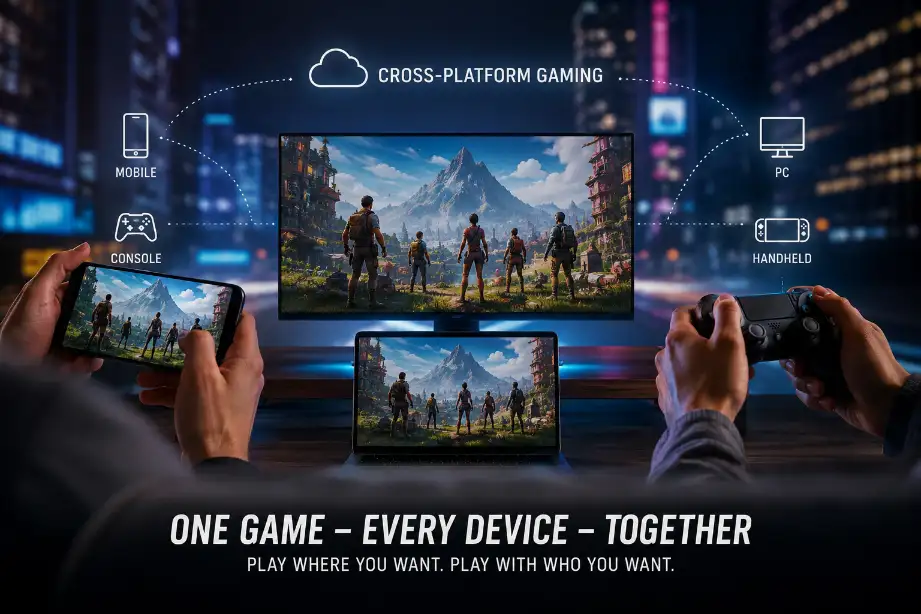
Mobile gaming has changed dramatically over the last decade. Players once relied on separate gaming ecosystems where mobile users could only compete with other mobile users. Today, cross-platform gaming has reshaped that experience. A player using a smartphone can now join matches with friends who play on consoles, PCs, or tablets. This shift has created a more connected gaming community and removed many barriers that once divided players.
Game developers continue to support cross-platform features because players demand flexibility and convenience. People want to enjoy their favorite games wherever they are without losing progress or leaving friends behind. As mobile devices become more powerful, cross-platform gaming continues to grow across many genres, including battle royale, racing, sports, strategy, and role-playing games. This trend has changed how players interact, compete, and enjoy games, making gaming more accessible than ever before.
The Rise of Cross-Platform Mobile Gaming and What It Means for Players
Cross-platform mobile gaming allows players on different devices to play the same game together. A mobile gamer can join a match with someone using a PlayStation, Xbox, Nintendo Switch, or PC. This feature creates a shared gaming environment regardless of hardware choice.
The growth of cloud technology, faster internet connections, and powerful mobile processors has helped make cross-platform gaming possible. Developers now focus on creating experiences that work smoothly across several devices.
Why Cross-Platform Gaming Has Become Popular
Several factors have contributed to its rapid growth:
- Increased smartphone performance
- Faster mobile internet networks
- Greater demand for social gaming
- Expansion of cloud gaming services
- Improved game development tools
- Growing gaming communities across multiple platforms
Players no longer need to purchase the same device as their friends to enjoy multiplayer games together.
Benefits for Players
Cross-platform gaming offers several advantages that improve the overall gaming experience.
1. Play with Friends on Any Device
Many gamers own different devices. Some prefer PCs while others choose consoles or smartphones. Cross-platform support removes hardware restrictions and allows everyone to join the same game.
2. Larger Player Communities
Games with cross-platform functionality attract larger audiences. More players create healthier matchmaking systems and shorter waiting times.
Benefits include:
- Faster matchmaking
- More active communities
- Better competitive environments
- Longer game lifespans
3. Shared Progress Across Devices
Many games support cross-progression. Players can start a game on their phone and continue later on another device without losing progress.
Cross-progression often includes:
- Saved game data
- Character progression
- Purchased content
- Achievements and rewards
4. Greater Flexibility
Modern players often switch between devices throughout the day. Cross-platform support allows gaming sessions to continue wherever players go.
A player can:
- Complete missions on a phone during travel
- Continue gameplay on a console at home
- Manage game progress on a tablet
Challenges Players May Face
Despite its advantages, cross-platform gaming creates several challenges.
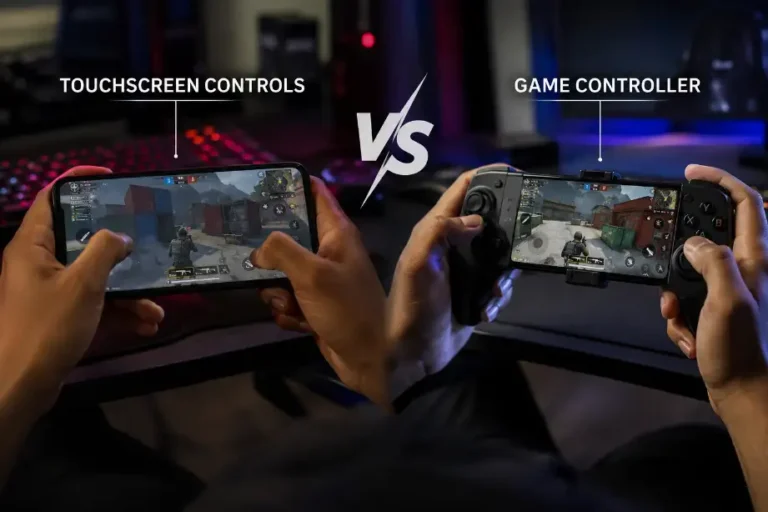
Control Differences
PC players often use keyboards and mice, while mobile users rely on touch controls. These differences can create competitive imbalances in certain games.
Developers address this issue by:
- Creating separate matchmaking pools
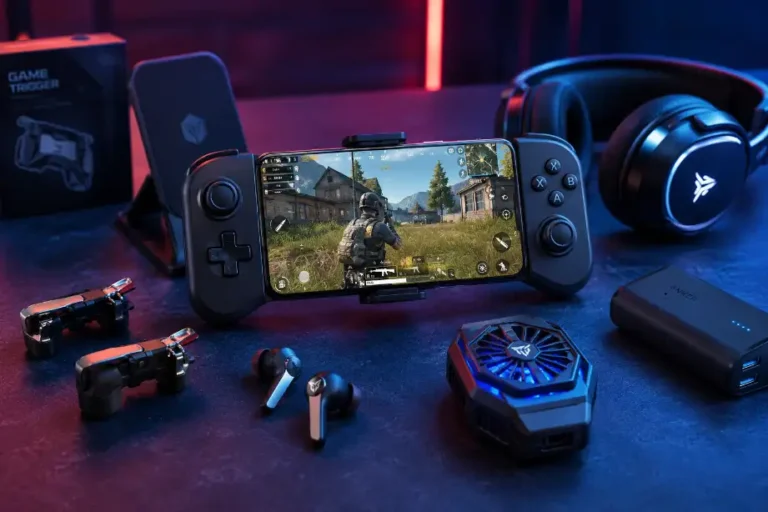
- Offering controller support
- Adding aim assistance features
- Balancing gameplay mechanics
Performance Variations
Different devices provide different performance levels. High-end PCs often deliver better frame rates and graphics than smartphones.
Developers work to maintain fair competition by optimizing games across all supported platforms.
Security Concerns
Larger gaming networks can attract cheating and account security issues. Developers invest heavily in anti-cheat systems and account protection measures.
Players can protect themselves by:
- Using strong passwords
- Enabling two-factor authentication
- Avoiding unofficial downloads
- Keeping software updated
Popular Genres Driving Cross-Platform Growth
Several gaming genres have embraced cross-platform functionality and helped popularize the trend.
Battle Royale Games
Battle royale titles often depend on large player populations. Cross-platform support keeps matchmaking active and competitive.
Players enjoy:
- Large-scale multiplayer matches
- Team-based gameplay
- Frequent content updates
- Global competition
Multiplayer Online Battle Arena Games
MOBA games thrive when players can quickly find teammates and opponents. Cross-platform systems help maintain active communities.
Racing Games
Racing games benefit from larger player pools and competitive leaderboards. Players can challenge friends regardless of their preferred device.
Role-Playing Games
Role-playing games often require long-term progression. Cross-platform support allows players to continue adventures from multiple devices.
How Developers Benefit from Cross-Platform Gaming
Developers gain significant advantages from supporting multiple platforms.
Increased Player Retention
Players stay engaged longer when they can access games from different devices. This flexibility encourages regular gameplay.
Larger Audience Reach
Developers can attract players from multiple ecosystems instead of limiting themselves to one platform.
Benefits include:
- Higher player counts
- Increased visibility
- Stronger communities
- Better long-term growth
More Efficient Updates
Cross-platform development often allows developers to deliver updates across several platforms simultaneously.
This approach creates a more consistent gaming experience for everyone.
The Role of Cloud Gaming in Cross-Platform Expansion
Cloud gaming continues to support the growth of cross-platform gaming. Players can stream games without relying entirely on local hardware performance.
Key advantages include:
- Reduced hardware limitations
- Faster access to games
- Device flexibility
- Consistent game versions
Cloud services make it easier for players to switch between devices while maintaining the same gaming experience.
As cloud infrastructure improves, cross-platform gaming will likely become even more common.
The Future of Cross-Platform Mobile Gaming
Cross-platform gaming shows no signs of slowing down. Mobile hardware continues to improve, and developers increasingly view cross-platform support as a standard feature rather than an optional addition.
Future developments may include:
- Better synchronization across devices
- Improved cloud gaming integration
- Faster matchmaking systems
- Stronger anti-cheat technologies
- More cross-progression features
- Expanded virtual reality compatibility
Gaming companies understand that players value freedom and convenience. Future titles will likely focus on connecting players rather than separating them based on hardware choices.
The gaming industry continues to move toward a more unified environment where players can connect, compete, and collaborate without platform restrictions.
Conclusion
Cross-platform mobile gaming creates greater freedom, stronger communities, and a more connected future for players across every device.
F.A.Q
What is cross-platform mobile gaming?
It allows players on different devices to play the same game together.
Why do players like cross-platform gaming?
Players enjoy gaming with friends regardless of the device they use.
Does cross-platform gaming support shared progress?
Many games allow players to keep progress across multiple devices.
Are cross-platform games fair for everyone?
Developers use balancing systems to reduce advantages between platforms.
Which genres use cross-platform gaming most often?
Battle royale, racing, MOBA, sports, and role-playing games frequently support it.
Does cross-platform gaming require special hardware?
No, players only need a compatible device and internet connection.
Will cross-platform gaming continue to grow?
Yes, developers continue to invest heavily in cross-platform features and technology.